

Green Power Surge: Nations Race to Ditch Fossil Fuels, But Hurdles Remain
The global race to transition from fossil fuels to renewable energy sources is accelerating, driven by climate imperatives and energy security concerns. Yet, significant hurdles, from grid modernization to critical mineral dependencies, challenge nations striving for a truly green future.

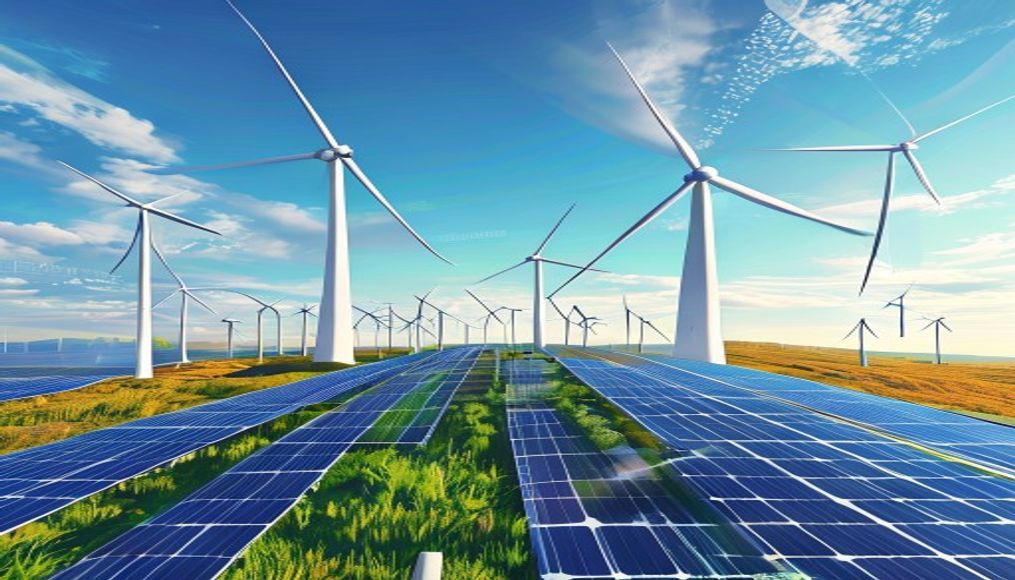
The global race to transition from fossil fuels to renewable energy sources is accelerating, driven by climate imperatives and energy security concerns. Yet, significant hurdles, from grid modernization to critical mineral dependencies, challenge nations striving for a truly green future.
The shift to renewable energy is no longer a fringe idea; it's a full-throttle global surge. Nations around the world are pouring unprecedented investments into solar, wind, and geothermal projects, aiming to decarbonize their economies and secure their energy futures. From Europe's ambitious Green Deal to the U.S. Inflation Reduction Act and China's dominance in solar manufacturing, the momentum is undeniable.
Why the sudden acceleration? Climate change remains the paramount driver. Record-breaking temperatures, extreme weather events, and undeniable scientific consensus demand urgent action. But energy security also plays a massive role. Geopolitical instability has highlighted the vulnerability of relying on volatile fossil fuel markets, pushing countries to embrace homegrown, renewable power sources.
The progress is impressive. Solar and wind power are now often the cheapest forms of new electricity generation. Battery storage technologies are rapidly improving, making intermittent renewables more reliable. Investment in electric vehicles is transforming transportation, while innovations in green hydrogen promise to decarbonize heavy industry. It’s a revolution in how we power our lives.
However, the transition is far from smooth. The sheer scale of transforming global energy infrastructure presents enormous challenges. Existing electricity grids, often decades old, weren't designed for a decentralized, renewable energy system and require massive upgrades. The supply chain for critical minerals—like lithium, cobalt, and rare earths—essential for batteries and renewable technologies, is concentrated and vulnerable.
Support Atomni
Help us keep delivering high-quality, independent journalism. Your support makes a difference.
Support Our WorkPolitical will also wavers. While some nations embrace aggressive targets, others face entrenched fossil fuel interests and public resistance to new infrastructure. We also see a 'green paradox' where the demand for materials to build renewables can, in the short term, increase mining and associated environmental impacts. Despite these hurdles, the trajectory is clear. The race to a fossil-free future is on, and while it will be a bumpy ride, the destination is vital for the planet’s health and humanity’s long-term prosperity.
Frequently Asked Questions
What is driving the global shift to renewable energy?
The global shift to renewable energy is primarily driven by the urgent need to address climate change and the increasing importance of energy security amidst geopolitical instability. Countries aim to decarbonize their economies and reduce reliance on volatile fossil fuel markets.
What are the main challenges in transitioning to a global renewable energy system?
Key challenges include upgrading existing, often outdated, electricity grids to handle decentralized renewable energy, and the vulnerability of the critical mineral supply chain essential for renewable technologies and batteries. Political will and potential short-term environmental impacts from increased mining also pose hurdles.
Can you describe the current progress in renewable energy adoption?
Significant progress includes solar and wind power becoming the cheapest forms of new electricity generation, rapid improvements in battery storage technologies, and the transformation of transportation through electric vehicles. Innovations in green hydrogen are also emerging to decarbonize heavy industry.
What role does energy security play in the global shift to renewable energy?
Geopolitical instability has highlighted the vulnerability of relying on volatile fossil fuel markets, prompting countries to prioritize energy security. This drives nations to invest in homegrown, renewable power sources to secure their energy futures.
Atomni Editorial Desk
Editorial Desk
Comments (0)
No comments yet. Be the first to share your thoughts!