

Around 120 scientists have resigned or taken voluntary retirement from ISRO. One argument says this is the predictable result of India's 2020 space liberalisation, not a loss — Skyroot, founded by ex-ISRO scientists, just became India's first space unicorn.
120 Scientists Left ISRO. Is That Really a Brain Drain?
The headline says brain drain. The counter-argument is sharper: engineers leaving ISRO for Indian space startups isn't talent lost — it's exactly what a space industry looks like when it starts working.

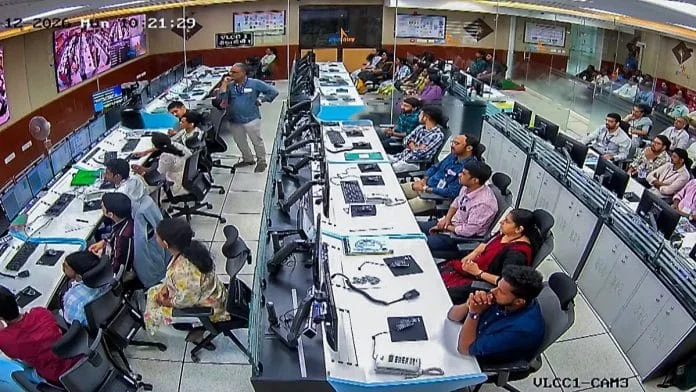
Reports that around 120 scientists have resigned or sought voluntary retirement from ISRO in recent months have triggered alarm. The Department of Space has tightened scrutiny of resignations from critical programmes, and commentators have called it a brain drain threatening India's space ambitions.
The Counter-Argument
Writing in ThePrint, Ajay Mallareddy argues the concern rests on a flawed premise — that every scientist who leaves ISRO is a scientist India has lost. The goal of India's space programme, he writes, is not to maximise the number of scientists employed by ISRO, but to maximise India's ability to build rockets and satellites. Those are not the same thing.
What Changed in 2020
India deliberately liberalised the sector: IN-SPACe was set up to authorise private participation, ISRO facilities were opened to non-government entities, the Indian Space Policy 2023 gave private firms a much larger role, and FDI rules were eased. A country that only wanted a successful space agency would not have done any of this.
The Skyroot Example
When two ISRO scientists left in 2018 to found Skyroot Aerospace, it could have been framed as ISRO losing talent. Skyroot's Vikram-1 has since become the first privately-built Indian rocket to reach orbit, making India only the third country with private orbital launch capability. The company has raised $160 million and, at a $1.1 billion valuation, is India's first space unicorn.
Support Atomni
Help us keep delivering high-quality, independent journalism. Your support makes a difference.
Support Our WorkThe Real Constraint
Export controls and national security restrictions make aerospace one of the least portable professions in the world. An ISRO propulsion engineer's realistic alternatives are almost by definition Indian ones — so the expertise stays in the country.
What Still Needs Managing
Losing experienced engineers from mission-critical programmes creates genuine short-term risk. The suggested fix is retention incentives, structured knowledge transfer and succession planning — not making it harder to leave. Full argument at ThePrint.
Frequently Asked Questions
Atomni Editorial Desk
Editorial Desk
Comments (0)
No comments yet. Be the first to share your thoughts!