

AI's Dark Shadow Over 2024 Elections: Deepfakes Threaten Global Democracy
As 2024 elections loom across the globe, AI-generated deepfakes and sophisticated disinformation campaigns are emerging as a profound threat, challenging the very foundations of democratic processes and voter trust. The line between reality and fabrication is blurring fast, demanding urgent attention from governments and tech giants alike.

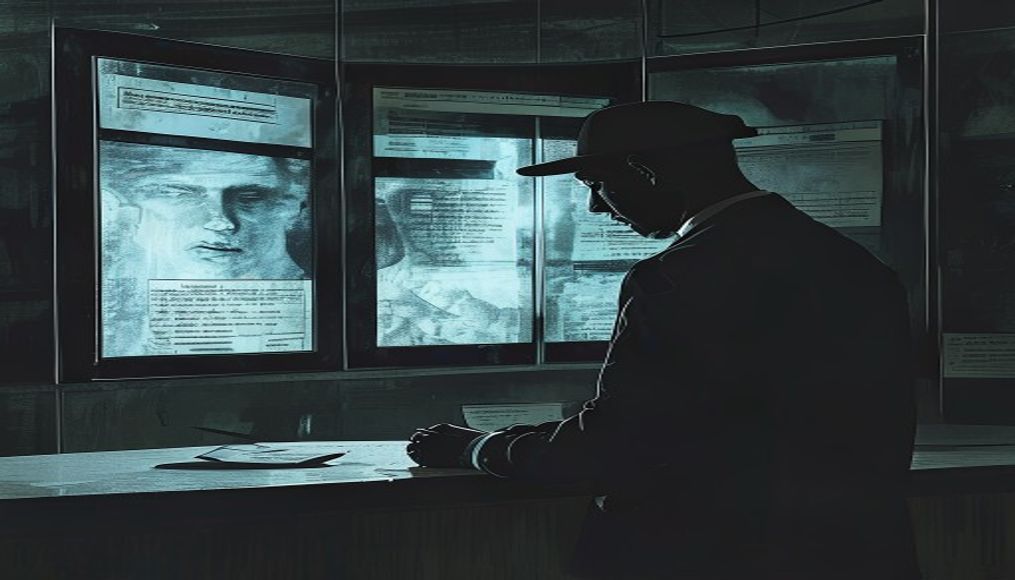
As 2024 elections loom across the globe, AI-generated deepfakes and sophisticated disinformation campaigns are emerging as a profound threat, challenging the very foundations of democratic processes and voter trust. The line between reality and fabrication is blurring fast, demanding urgent attention from governments and tech giants alike.
The specter of artificial intelligence loomed large over the political arena even before 2024 truly began, but now it’s casting a full, undeniable shadow. We're not just talking about chatbots helping campaigns craft messages; we're witnessing the weaponization of generative AI to create convincing deepfake audio, video, and text that can mislead voters on an unprecedented scale.
Remember the deepfake robocall mimicking President Biden's voice, urging New Hampshire voters to skip the primary? That was just a dress rehearsal. Experts predict a deluge of similar, more sophisticated attacks targeting elections from the U.S. to India, Indonesia, and the European Union. These aren't crude Photoshop jobs anymore. Today's AI can render a politician saying something they never did with chilling accuracy, making it incredibly difficult for the average citizen to discern truth from fiction.
Fact-checkers are fighting an uphill battle. By the time a deepfake is debunked, it's often spread like wildfire across social media, infecting public discourse and eroding trust. The speed and scale at which AI can produce and disseminate this content simply overwhelm traditional verification mechanisms. Platforms like X, Facebook, and TikTok are under immense pressure to act, but their responses have been, at best, inconsistent.
The implications are dire. Imagine a deepfake video of a candidate making a racist remark just days before an election, or an audio clip of a world leader declaring war. Such fabrications could sway public opinion, suppress voter turnout, or even incite unrest. It's a direct assault on the integrity of our electoral systems, designed to sow chaos and division.
Support Atomni
Help us keep delivering high-quality, independent journalism. Your support makes a difference.
Support Our WorkGovernments are scrambling to respond. Calls for stricter regulation and robust AI literacy programs are growing louder. Tech companies are implementing watermarking and detection tools, but the arms race between AI creators and AI detectors is constant. It's clear that a multi-faceted approach, combining technological safeguards, robust legal frameworks, and an educated populace, is essential to weather this storm. Our democracies depend on it.
Frequently Asked Questions
What is the primary threat posed by AI to the 2024 elections?
The primary threat is the weaponization of generative AI to create convincing deepfake audio, video, and text, designed to mislead voters on an unprecedented scale. These sophisticated fabrications make it incredibly difficult for the average citizen to discern truth from fiction.
How do deepfakes impact elections and public discourse?
Deepfakes can sway public opinion, suppress voter turnout, or even incite unrest by presenting fabricated content as real, as seen with the deepfake robocall mimicking President Biden's voice. Their rapid spread like wildfire across social media erodes public trust and overwhelms traditional fact-checking mechanisms.
Can you describe the scale and sophistication of deepfake attacks today?
Today's AI can render a politician saying something they never did with chilling accuracy, far beyond crude Photoshop jobs, making detection challenging. Experts predict a deluge of such sophisticated attacks targeting elections globally, overwhelming verification mechanisms due to their speed and scale.
What are the proposed solutions to combat deepfakes in elections?
Governments are calling for stricter regulation and robust AI literacy programs, while tech companies are implementing watermarking and detection tools. A multi-faceted approach combining technological safeguards, robust legal frameworks, and an educated populace is considered essential.
Atomni Editorial Desk
Editorial Desk
Comments (0)
No comments yet. Be the first to share your thoughts!